Recipes
Explore our recipes by base spirit, difficulty level or occasion.
The six tonic highballs →Twists: variations on the classics →
72 recipes
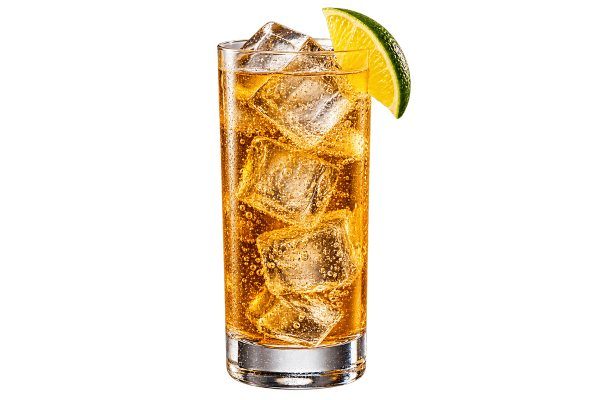
Whisky & Tonic
The misunderstood cousin of the Gin & Tonic. Built properly it is long, dry and surprisingly refreshing; built badly it is a glass of tonic that tastes of wood.
View recipe →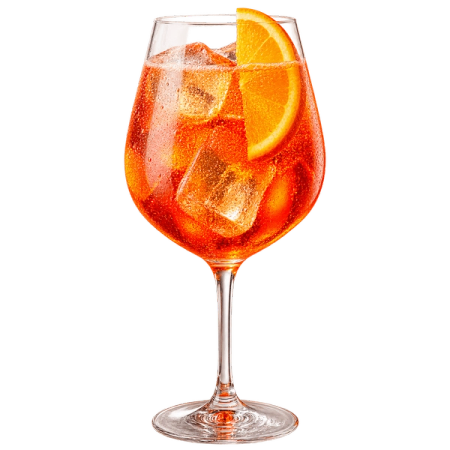
Aperol Spritz
Bright, bubbly, and refreshing. The orange hue of an Italian sunset in a glass.
View recipe →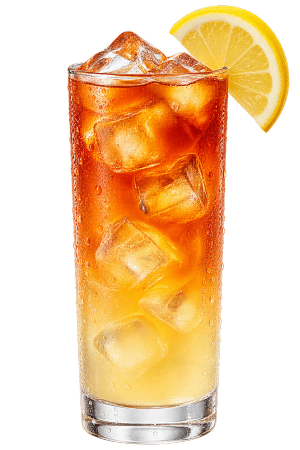
Arnold Palmer
Iced black tea and lemonade in equal parts. Nothing else. It carries the name of the golfer who ordered it that way, and nothing without alcohol refreshes better.
View recipe →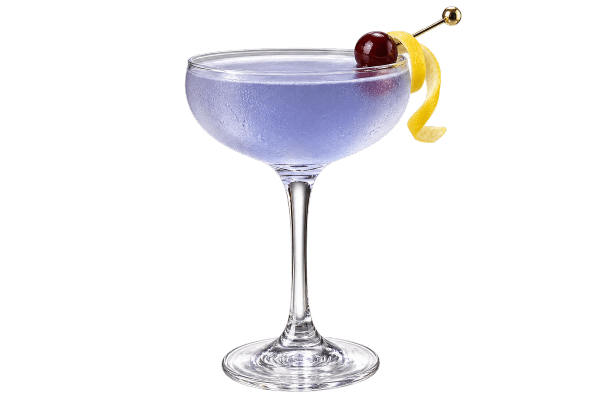
Aviation
A lavender-colored cocktail that evokes the skies of the pioneering aviation era. Floral, citrusy, and with a mysterious cherry undertone from the maraschino liqueur.
View recipe →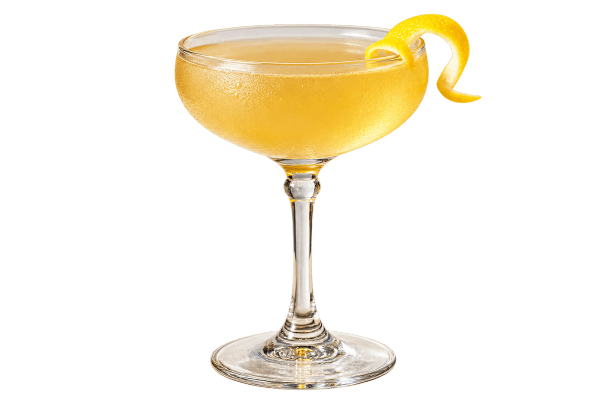
Bee’s Knees
Gin, lemon and honey. The honey does not go in neat — it sinks and never integrates — but as a syrup, and that is the whole technique.
View recipe →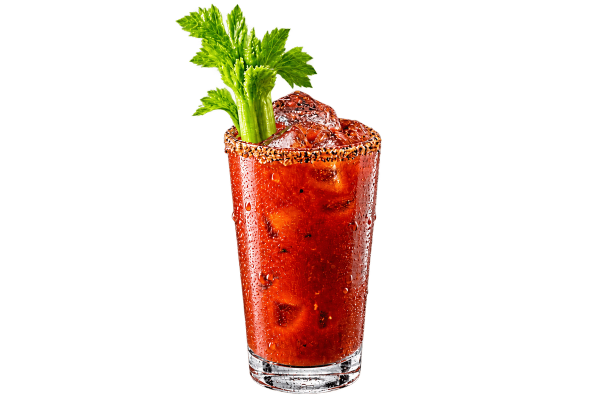
Bloody Mary
The king of savory cocktails. Umami, spicy, and comforting. It's not just a drink; it's a gastronomic experience in a glass.
View recipe →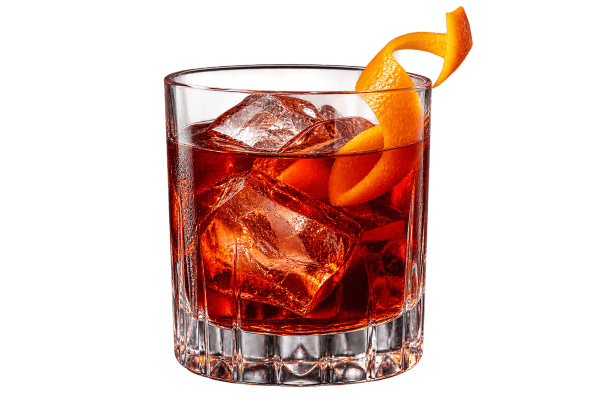
Boulevardier
The Negroni's American cousin. Warmer, sweeter, and with the depth of whiskey. A cocktail that embraces you with every sip.
View recipe →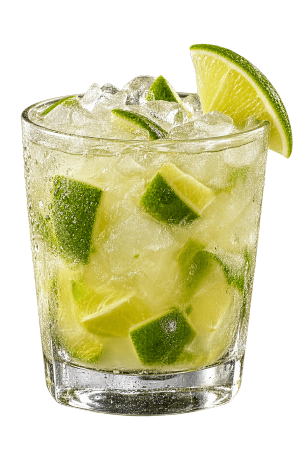
Caipirinha
Rustic, vibrant, and authentically Brazilian. The taste of fresh sugarcane with an irresistible citrus touch.
View recipe →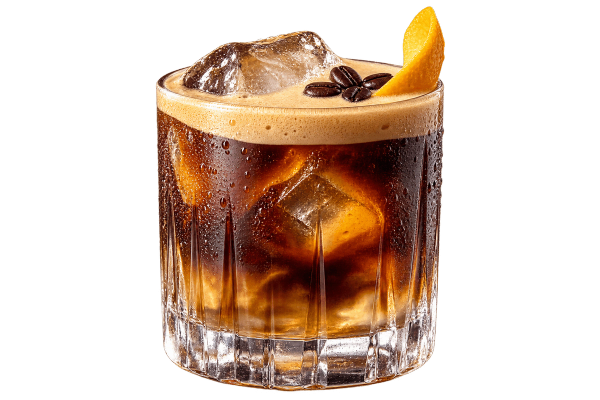
Carajillo
The quintessential Mexican coffee cocktail. Sweet, aromatic, and with the perfect balance between the bitterness of espresso and the citrusy vanilla of Licor 43. Much smoother than an Espresso Martini.
View recipe →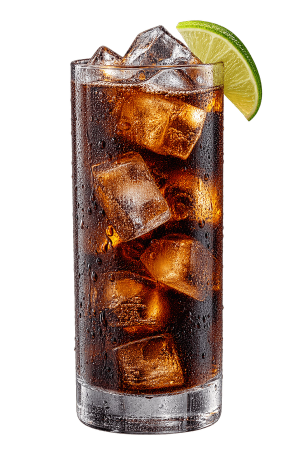
Charro Negro
Tequila with cola and plenty of lime. In Mexico people order it without thinking; elsewhere it is barely known, which is one of the few injustices with an easy fix.
View recipe →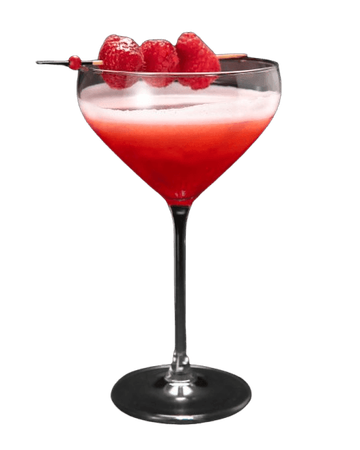
Clover Club
A "pretty in pink" cocktail from the pre-Prohibition era. Creamy, fruity, and with a silky foam that makes it visually stunning. A Philadelphia classic.
View recipe →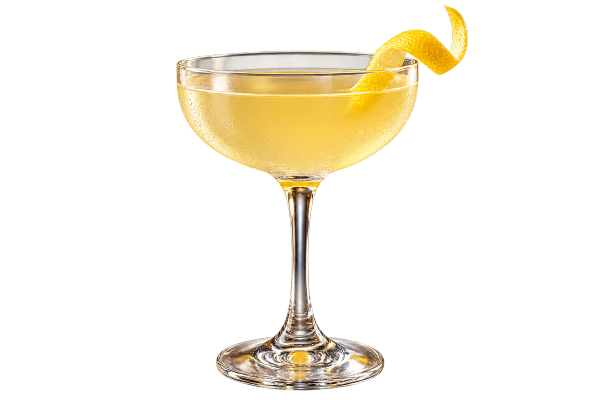
Corpse Reviver No. 2
The "resurrecter of the dead." A pre-Prohibition cocktail of equal parts, balanced and surprisingly light. The absinthe rinse is its signature.
View recipe →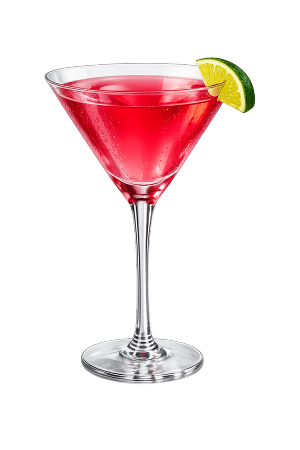
Cosmopolitan
Forever branded by the nineties, but made properly it is a serious drink: dry, citrusy, and a colour that needs no introduction.
View recipe →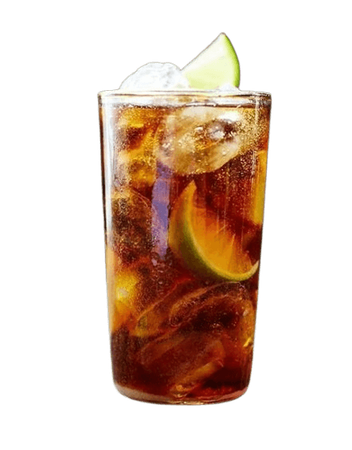
Cuba Libre
Rum, cola and lime. It sounds like there is nothing to it, which is why it is served badly everywhere: without enough lime it is another drink, and a worse one.
View recipe →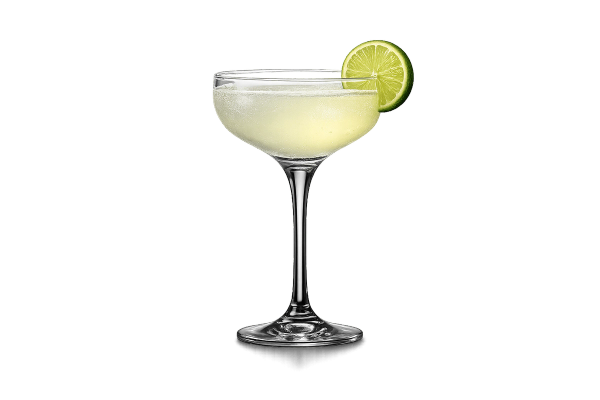
Daiquiri
Three ingredients and nowhere to hide: rum, lime and sugar in exact balance. The cocktail bartenders use to measure their own technique.
View recipe →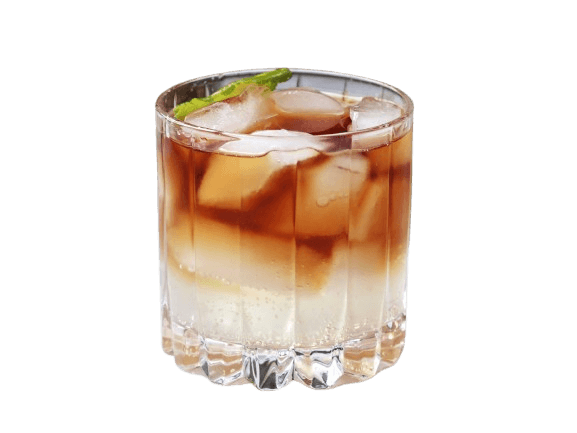
Dark 'n' Stormy
The perfect storm in a glass. The contrast between sweet dark rum and spicy ginger beer creates a visual and gustatory spectacle. Born in the Bermuda Islands.
View recipe →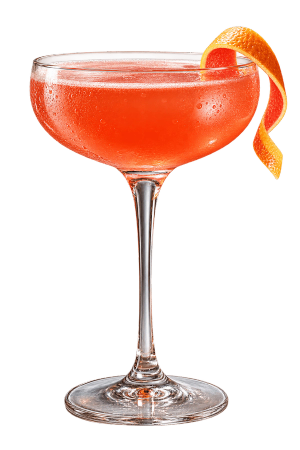
Division Bell
Mezcal, Aperol, maraschino and lime. Phil Ward built it in 2009 on the bones of the Last Word, and in passing talked half of New York into ordering mezcal.
View recipe →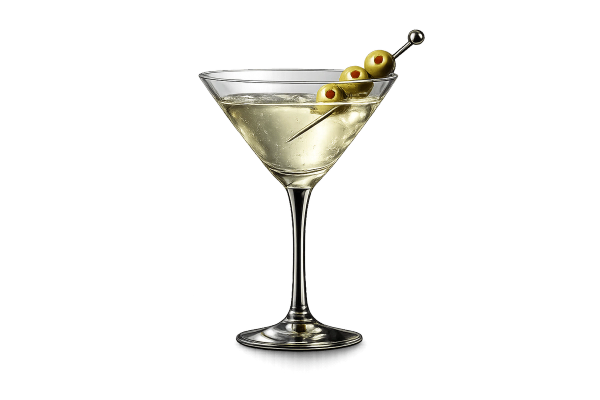
Dry Martini
Dry, powerful, and crystal clear. It's the most iconic cocktail in history, enveloped in an aura of sophistication and a deeply botanical flavor.
View recipe →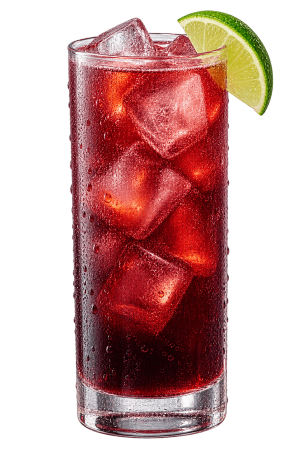
El Diablo
Reposado tequila, blackcurrant, lime and hot ginger. It reads oddly on paper and works first time: the cassis darkens the drink and the ginger lifts it.
View recipe →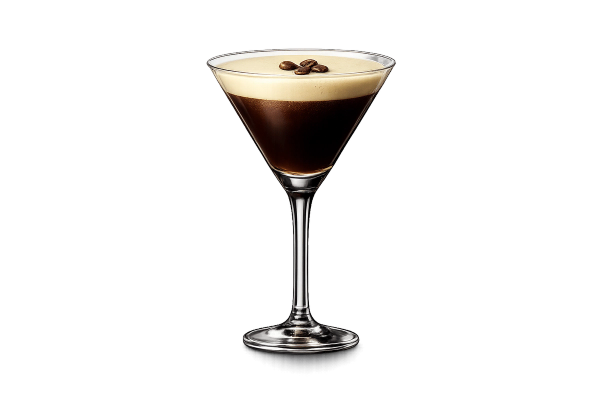
Espresso Martini
Sophisticated, creamy, and stimulating. The perfect union between the world of nighttime cocktails and specialty coffee.
View recipe →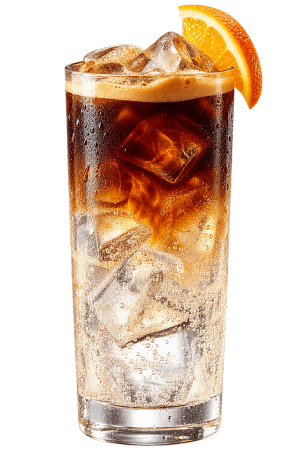
Espresso Tonic
A shot of espresso poured over tonic and ice. It came out of Nordic coffee shops and has taken over menus everywhere, deservedly: bitter, citrusy and wide awake.
View recipe →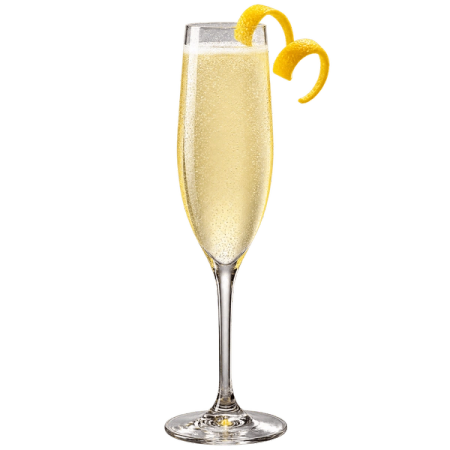
French 75
Elegant, bubbly, and with surprising "firepower." Like the French 75mm cannon that gave it its name, this cocktail makes a subtle impact.
View recipe →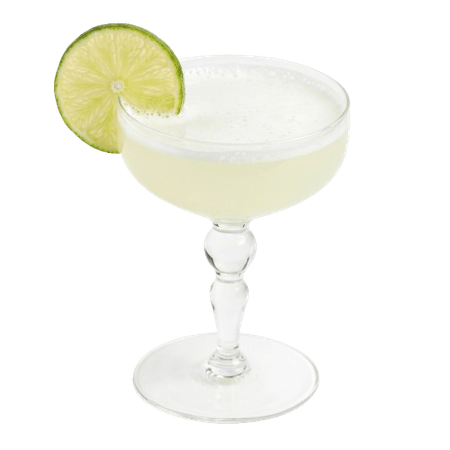
Gimlet
The essence of mixology reduced to its bare minimum. Citrusy, dry, and brilliantly refreshing. Developed in the British Royal Navy to combat scurvy.
View recipe →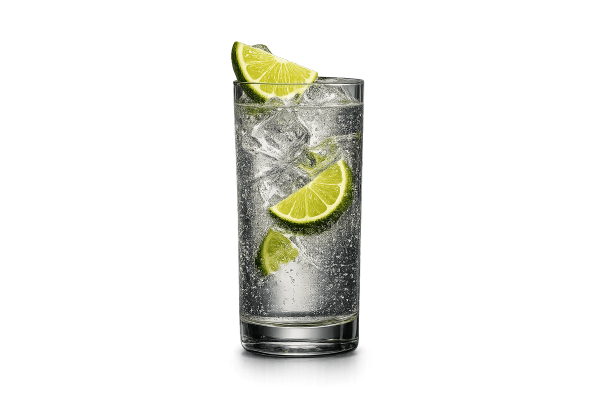
Gin & Tonic
The easiest drink to make and the easiest to ruin. The difference between a correct one and a memorable one comes down to ice, temperature and how you pour the tonic.
View recipe →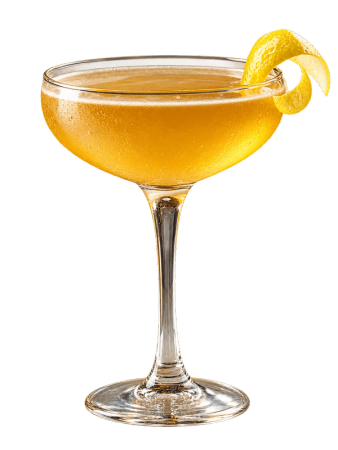
Gold Rush
A Whiskey Sour with the sugar and the egg white taken out and honey put in. It was born in New York in 2001 and has earned its place: with three ingredients it tastes fuller than the original does with five.
View recipe →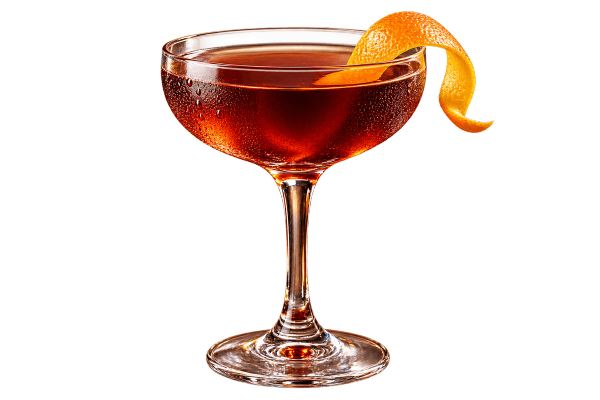
Hanky Panky
A Negroni transformed by the bitter, medicinal touch of Fernet Branca. Created by Ada Coleman at the American Bar in London in 1925, it is sophisticated, complex, and surprisingly balanced.
View recipe →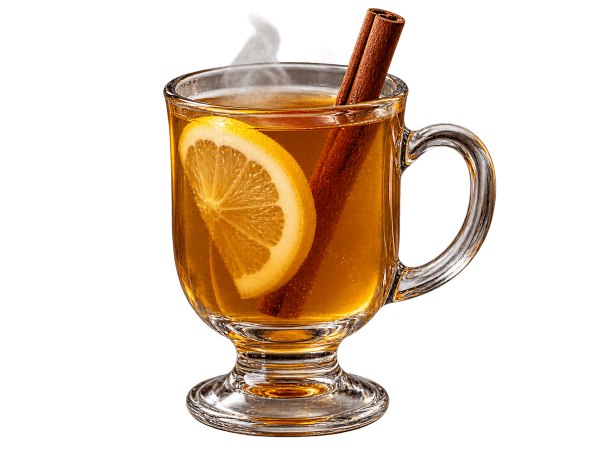
Hot Toddy
The grandmother’s remedy that turns out to be a decent cocktail. Hot, sweet and sour at once, with just enough whisky to show without burning.
View recipe →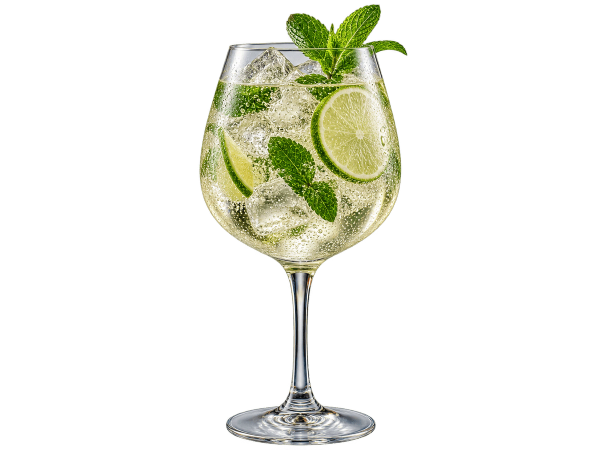
Hugo Spritz
The alternative to the Aperol Spritz for anyone who does not get on with bitterness. Floral instead of bitter, and with mint and lime in it that make it considerably more refreshing than the original.
View recipe →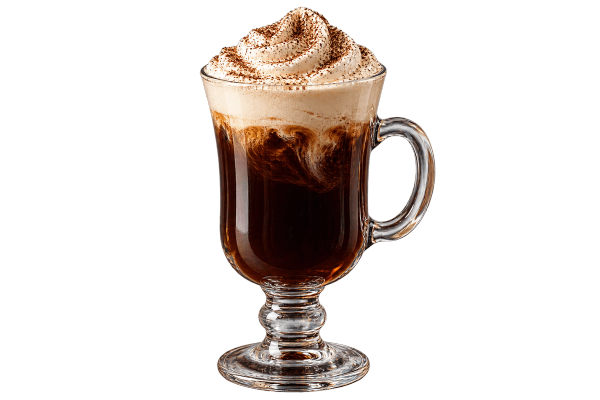
Irish Coffee
A warm embrace in a cup. Strong coffee, smooth whiskey, and slowly melting, floating cream. Invented at Foynes Airport, Ireland, in 1942.
View recipe →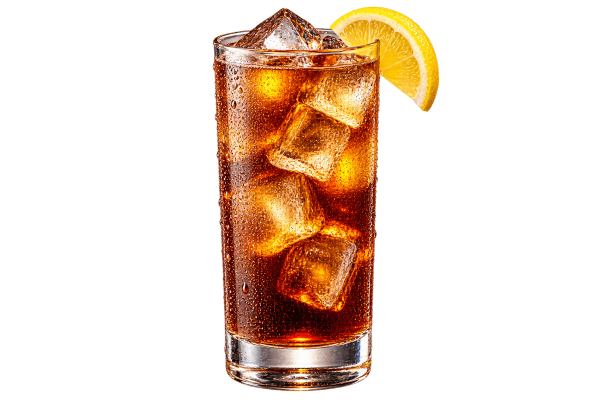
Long Island Iced Tea
The most famous cocktail for its potency. Despite its name, it contains no tea; its brown color comes from the cola. It balances five spirits in a surprisingly drinkable beverage.
View recipe →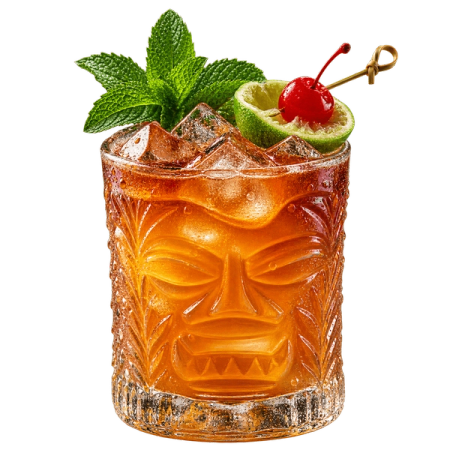
Mai Tai
Complex, exotic, and full of nuances. The crown jewel of Tiki cocktails. "Mai Tai" means "the best" in Tahitian.
View recipe →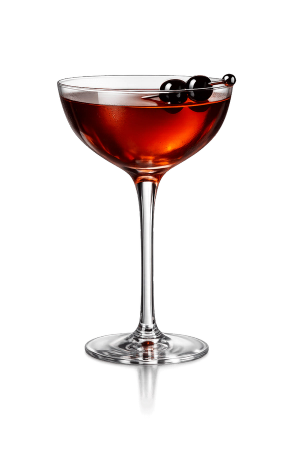
Manhattan
Older than the Martini and, for many, better. Rye whiskey and sweet vermouth in a ratio that forgives nothing: an after-dinner drink, meant to be sipped slowly.
View recipe →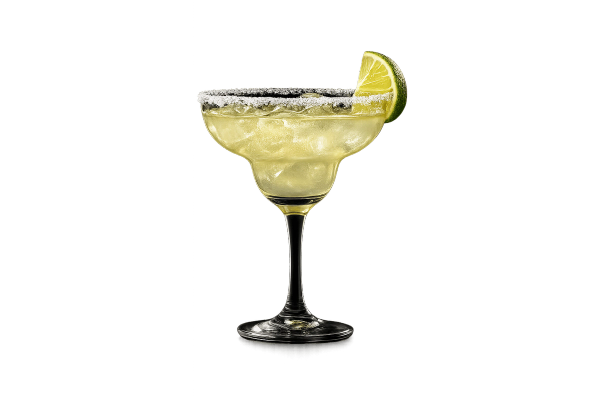
Margarita
The most famous Mexican cocktail in the world: tequila, orange liqueur and lime in perfect balance, with a salted rim.
View recipe →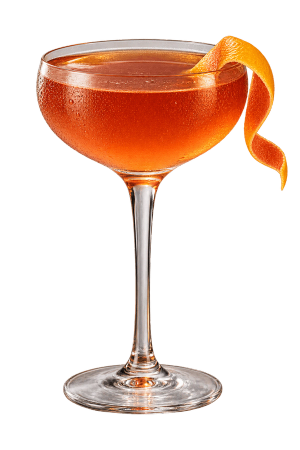
Maximilian Affair
Mezcal, St-Germain, Punt e Mes and lemon. Misty Kalkofen named it after the emperor France installed in Mexico, and the drink tells that story without saying a word.
View recipe →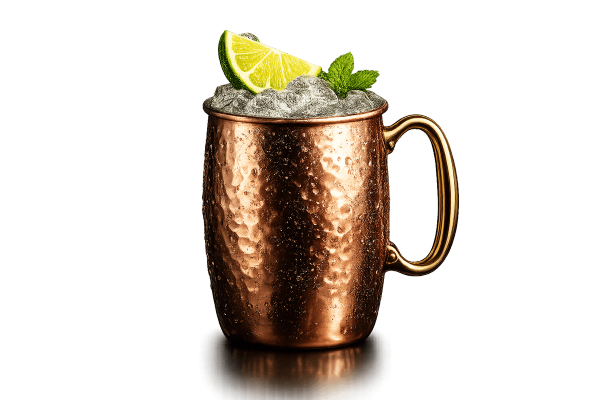
Mezcal Mule
Smoky mezcal against spicy ginger beer. A bolder take on the classic Moscow Mule, and the perfect gateway into mezcal.
View recipe →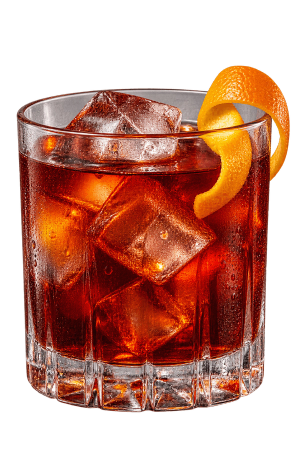
Mezcal Negroni
The usual Negroni with mezcal instead of gin. The bitterness of the Campari and the smoke of the agave pull in the same direction, and the drink gains body.
View recipe →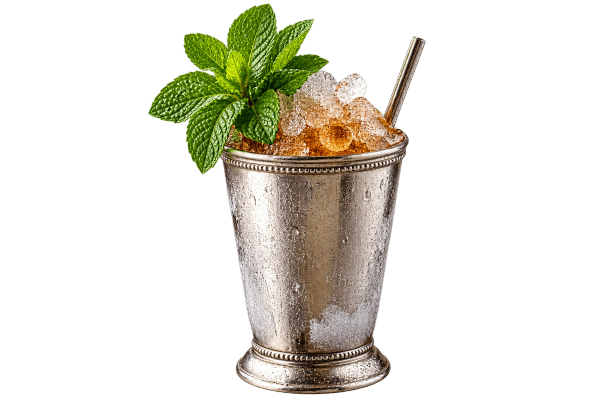
Mint Julep
Bourbon, mint and a mountain of crushed ice in a metal cup that frosts over. More ritual than recipe, and that is rather the point.
View recipe →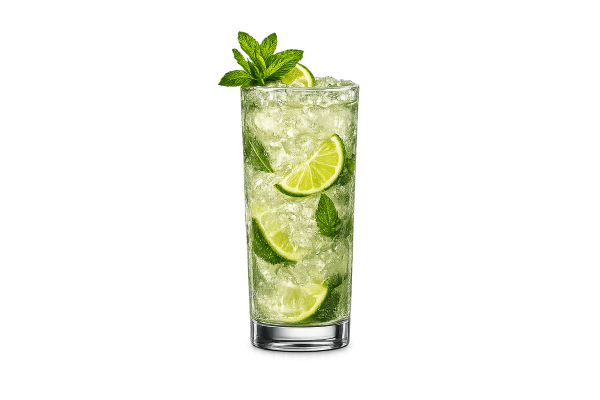
Classic Mojito
The king of refreshing cocktails: white rum, fresh mint, lime and a touch of sugar. Born in Havana and perfect for hot days.
View recipe →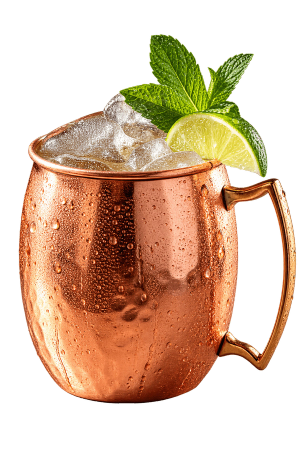
Moscow Mule
Spicy, citrusy, and refreshing. Served in its iconic copper cup, it's as visually stunning as it is delicious.
View recipe →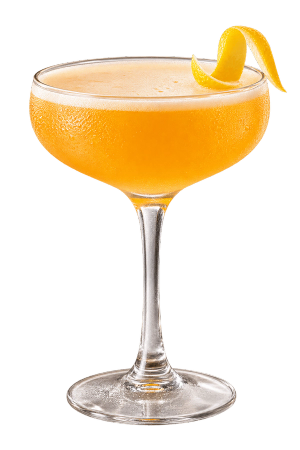
Naked and Famous
Mezcal, yellow Chartreuse, Aperol and lime in equal parts. Smoky, bitter and citrusy all at once, and it works first time because there is no ratio to get right.
View recipe →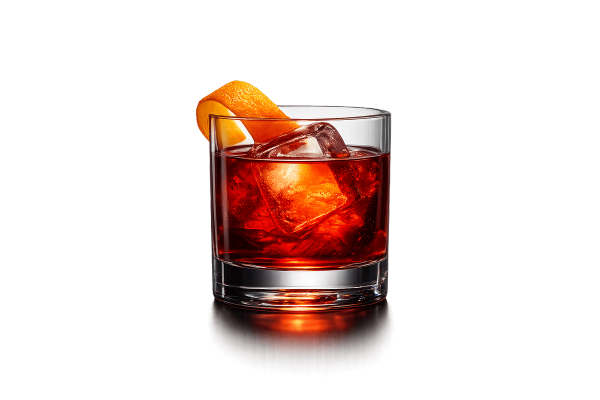
Negroni
Intense, bitter and aromatic cocktail.
View recipe →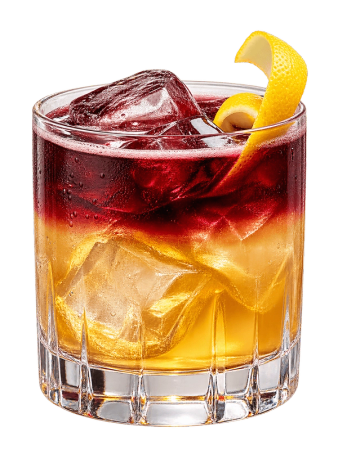
New York Sour
The same old Whiskey Sour with a layer of red wine floating on top. It looks like a party trick and it is not: the wine brings tannin and fruit the original lacks, and every sip tastes different depending on how far the two have mixed.
View recipe →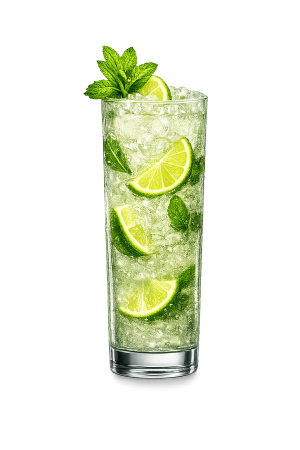
Nojito (alcohol-free mojito)
Everything that makes a mojito good — the mint, the lime, the cold — without the rum. Most mocktails end up tasting like lemonade; this one does not.
View recipe →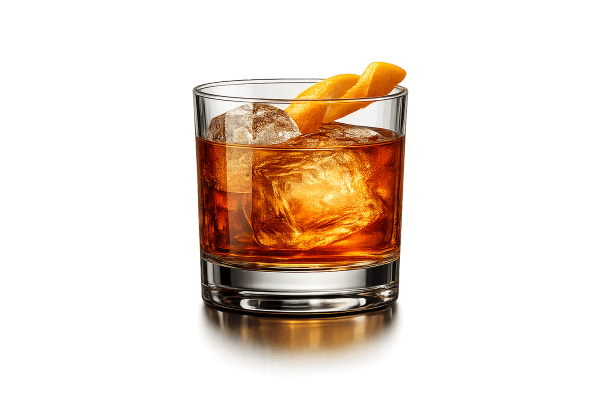
Oaxaca Old Fashioned
A modern classic born in New York in 2007: the structure of an Old Fashioned, but built on agave instead of whiskey. Complex, dry, with a smoky finish that lingers.
View recipe →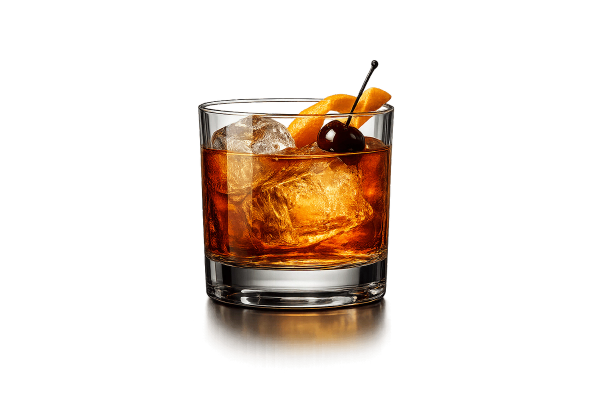
Old Fashioned
The cocktail that defined the word "cocktail": whiskey, sugar, bitters and nothing else. Pure elegance since the 19th century.
View recipe →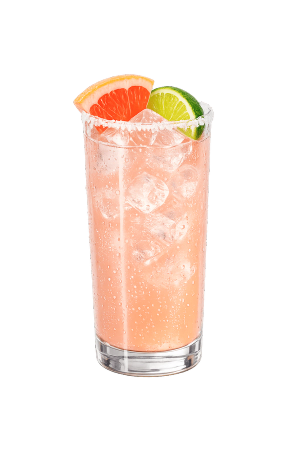
Paloma
The drink Mexicans actually order, far more than the Margarita. Tequila, grapefruit and salt: refreshing, light and hard to stop at one.
View recipe →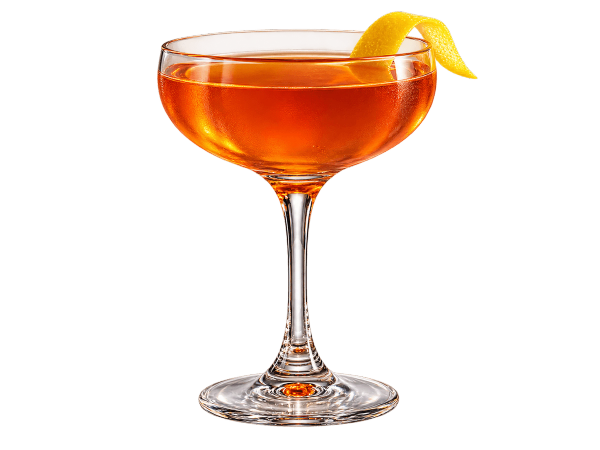
Paper Plane
Four ingredients in the same measure and none of them wins. Sam Ross created it in 2008 by applying the Last Word logic to whiskey, and it has become one of the few modern classics everyone recognises.
View recipe →
Penicillin
A modern "cold toddy" created in 2005. Comforting, medicinal and with a surprising smoky finish. The honey and ginger syrup is its soul.
View recipe →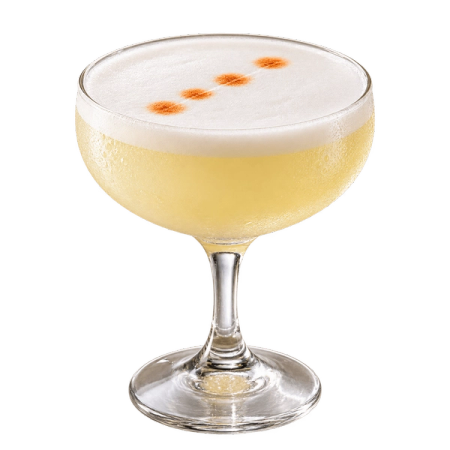
Pisco Sour
Peru's ambassador in a glass. Creamy, citrusy, and with a touch of bitters that makes it unmistakable. A world-renowned South American classic.
View recipe →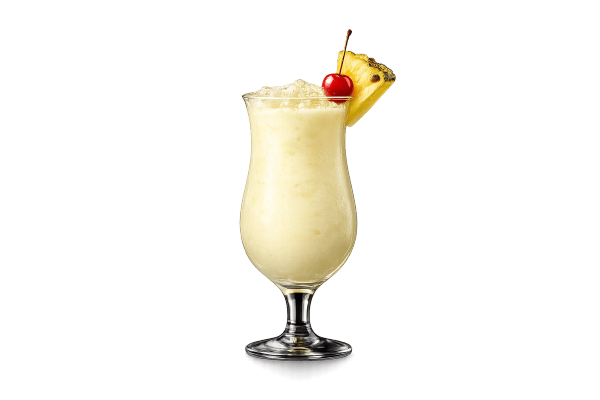
Piña Colada
The ultimate liquid ambassador of the tropics. A sweet, rich, and intensely fruity blend that instantly transports you to a paradise beach with just one sip.
View recipe →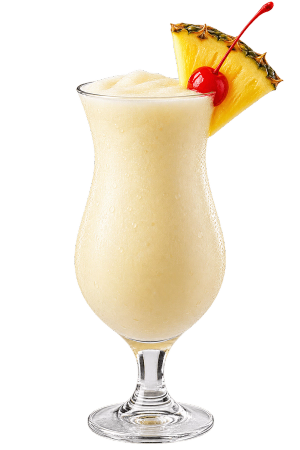
Virgin Piña Colada
Pineapple, cream of coconut and ice blended until creamy. The most-ordered mocktail there is, and with real pineapple nobody notices what is missing.
View recipe →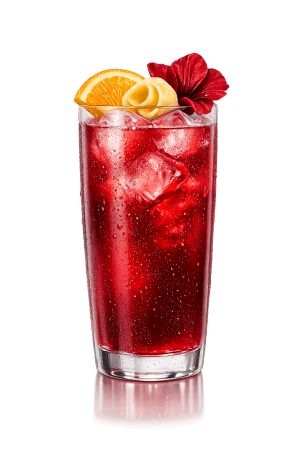
Hibiscus and ginger punch
Ruby colour, natural acidity and a kick of ginger on the finish. It is made by the jug, so it covers a whole party without anyone being stuck behind the bar.
View recipe →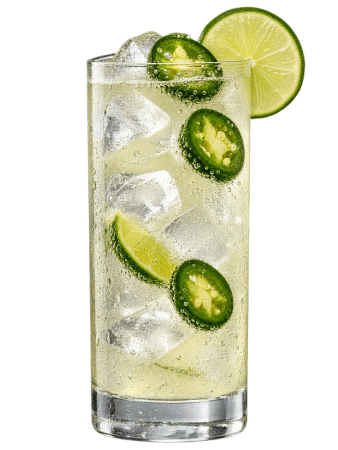
Ranch Water
Tequila, lime and sparkling water, in the bottle or in a highball. Nowhere to hide: with three ingredients, whatever tequila you use shows up in full.
View recipe →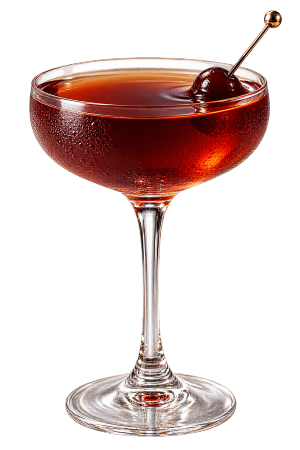
Rob Roy
Born in New York in 1894 and named after a Scottish outlaw. Swapping rye for Scotch sounds minor and turns the whole drink around.
View recipe →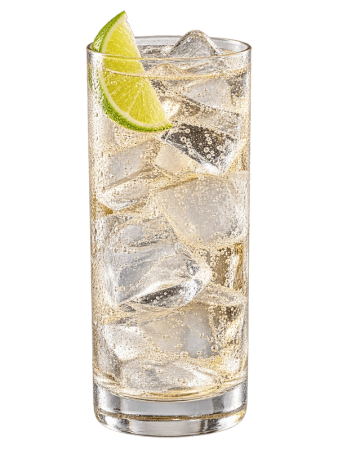
Rum & Tonic
The highball almost nobody orders, and which turns out surprisingly well. The sweetness of the cane and the bitterness of the quinine balance each other on their own, with nothing added to fix it.
View recipe →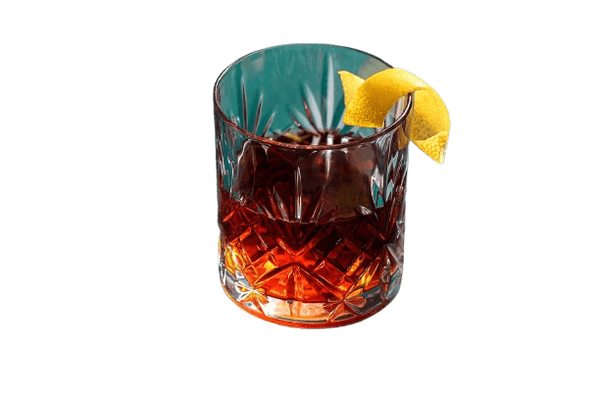
Sazerac
The official cocktail of New Orleans. Built in one glass and served in another, with the absinthe only passing through: you smell it, not drink it.
View recipe →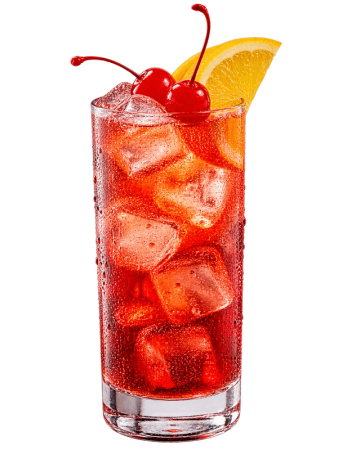
Shirley Temple
Ginger ale with grenadine and a cherry at the bottom. Invented in the thirties so that a child had something to order, and still the reference mocktail.
View recipe →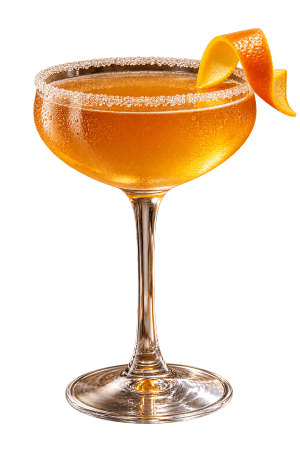
Sidecar
A refined and timeless sour. The balance between the warmth of the cognac, the sweetness of the orange liqueur, and the acidity of the lemon makes it a classic from the 1920s.
View recipe →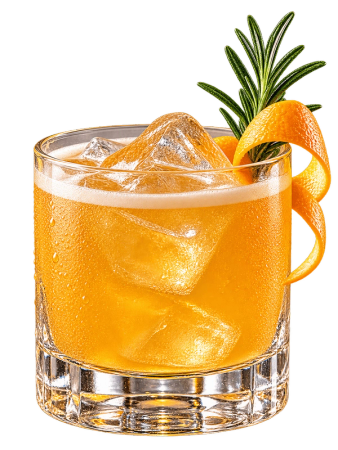
Single Village Fix
A textbook fix: spirit, citrus, sugar and muddled fruit over crushed ice. With mezcal and pineapple it makes the easiest-drinking agave cocktail there is.
View recipe →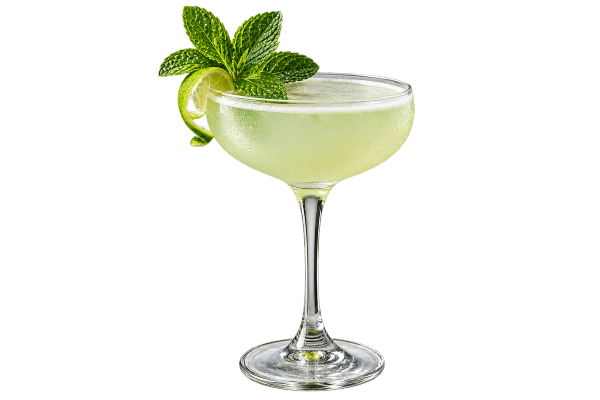
Southside
A refined Mojito with gin instead of rum. Herbal, citrusy, and with the botanical character of gin. Some say it originated at the 21 Club in New York during Prohibition.
View recipe →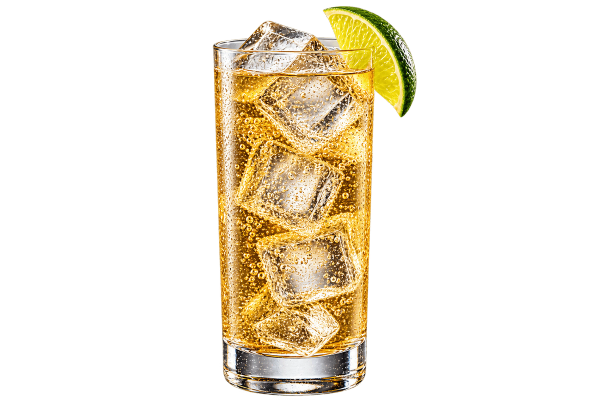
Tequila & Tonic
Drier than a Paloma and more interesting than a Gin & Tonic. Agave and the bitterness of quinine understand each other surprisingly well.
View recipe →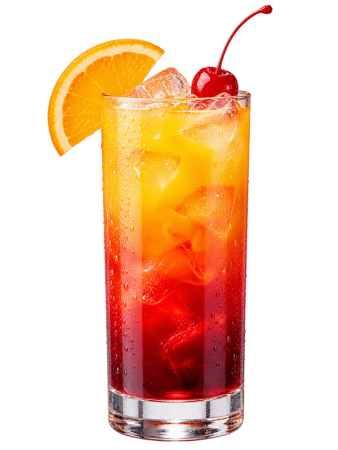
Tequila Sunrise
Tequila with orange juice and a thread of grenadine that sinks and stains the glass from the bottom up. Easy to drink, and it goes in through the eyes first.
View recipe →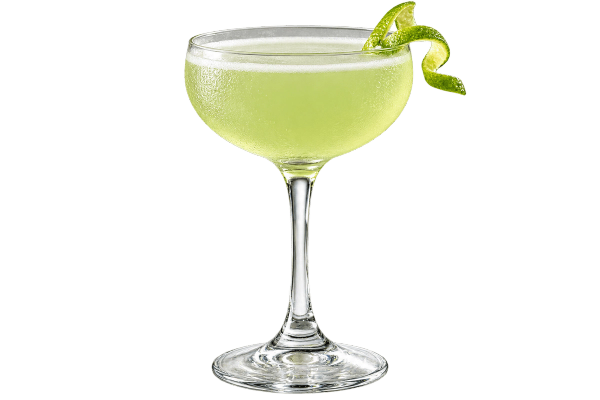
The Last Word
A cocktail of equal parts that defies logic. Herbal, citrusy, sweet, and complex. Rescued from oblivion in 2003, it is now a pillar of modern mixology.
View recipe →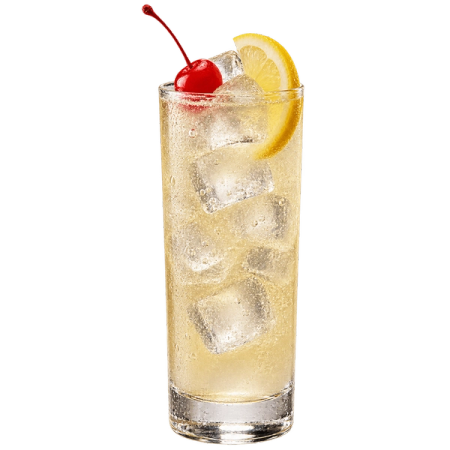
Tom Collins
A frothy and sophisticated lemonade. Refreshing, light, and with the botanical character of gin. A London classic that never goes out of style.
View recipe →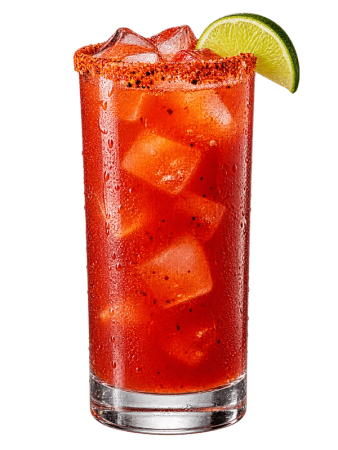
Vampiro
Tequila with grapefruit and sangrita, rimmed with chilli salt. Dark red, salty and spicy: the Paloma with an edge, and one of the most Mexican drinks there is.
View recipe →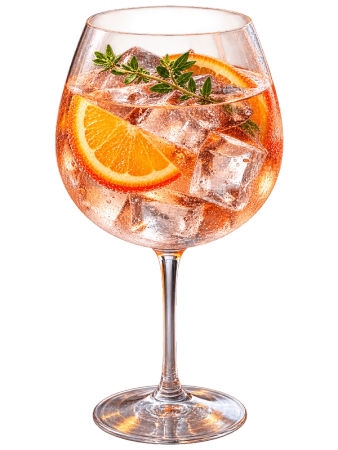
Vermouth & Tonic
Vermouth hour, stretched out. It carries half the alcohol of a Gin & Tonic and considerably more flavour, which is why it works in the late afternoon when no other long drink does.
View recipe →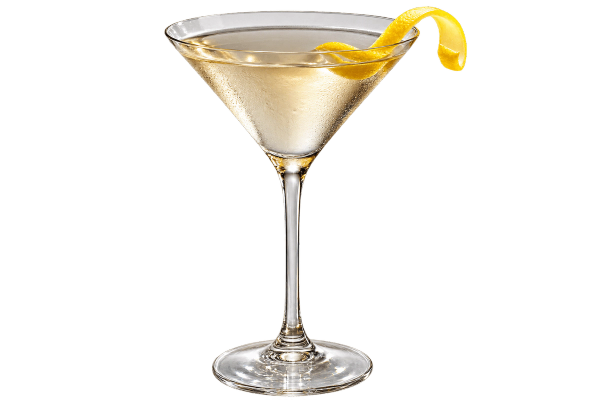
Vesper
Ian Fleming wrote it into Casino Royale with exact measures, and those measures still work. The one martini you are allowed to shake.
View recipe →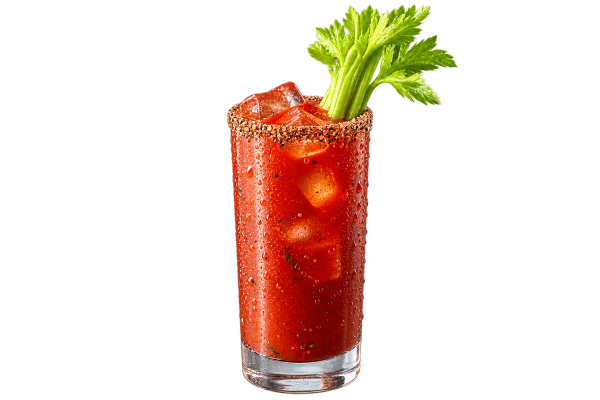
Virgin Mary
The Bloody Mary without vodka, seasoned as it should be. Salty, spicy and with body: the mocktail you sip slowly and drink alongside food.
View recipe →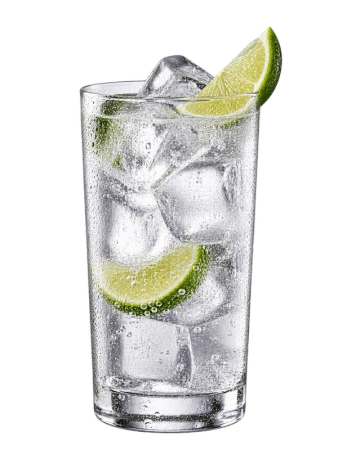
Vodka & Tonic
Two ingredients and nowhere to hide. It is the cleanest of the tonic highballs and also the one most people get wrong, because when it falls flat the vodka gets the blame — and it is almost never the vodka.
View recipe →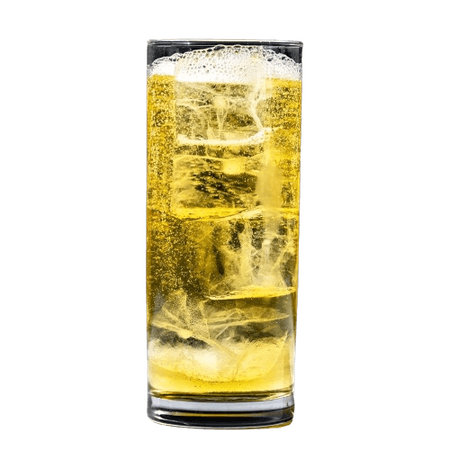
Whisky Highball
In Japan they treat it with the seriousness of a classic, and rightly so: built properly it is the most refreshing long drink there is with a dark spirit.
View recipe →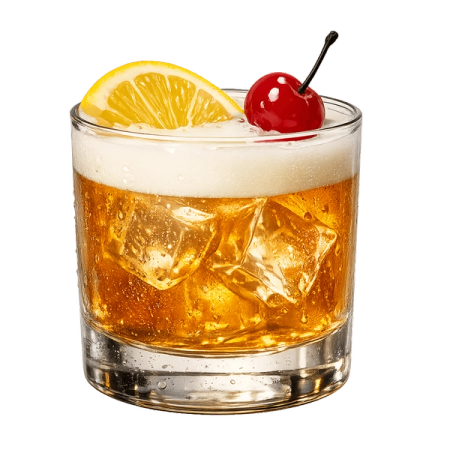
Whiskey Sour
The sour family at its most recognisable: spirit, citrus and sugar, crowned by a silky foam that changes the texture entirely.
View recipe →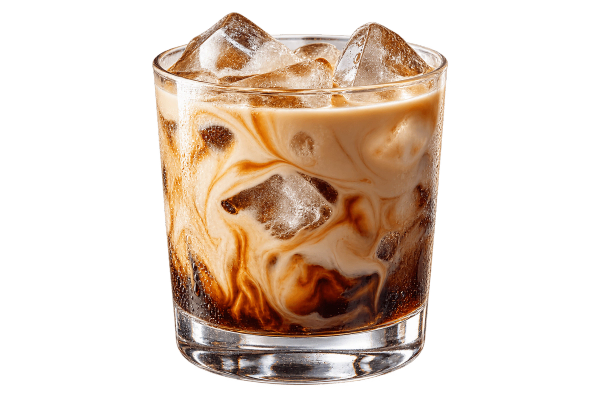
White Russian
The drink The Big Lebowski rescued from obscurity. Served with the cream floating and unstirred: each sip passes through all three layers.
View recipe →