The six tonic highballs
View all recipesTonic does something almost no other mixer manages: instead of covering the spirit, it contradicts it. Quinine is bitter, and that bitterness lifts whatever the spirit has of aroma rather than dissolving it in sugar. That is why it works with six drinks as different from one another as vermouth and mezcal.
All six are built the same way — ice to the top, spirit, tonic down the side, one turn of the spoon — and differ in two things: the ratio and the citrus. Here are the six with their measures, and below, which one to reach for depending on what you feel like drinking.
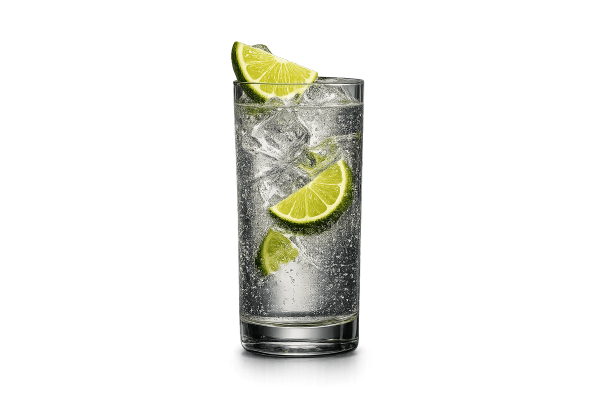
Gin & Tonic
The easiest drink to make and the easiest to ruin. The difference between a correct one and a memorable one comes down to ice, temperature and how you pour the tonic.
View recipe →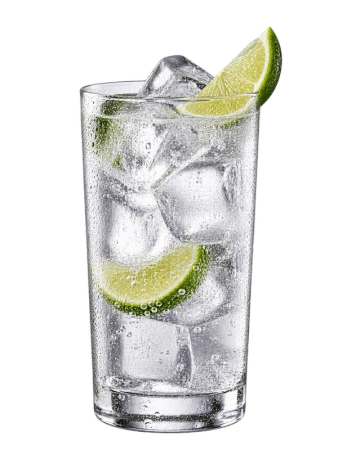
Vodka & Tonic
Two ingredients and nowhere to hide. It is the cleanest of the tonic highballs and also the one most people get wrong, because when it falls flat the vodka gets the blame — and it is almost never the vodka.
View recipe →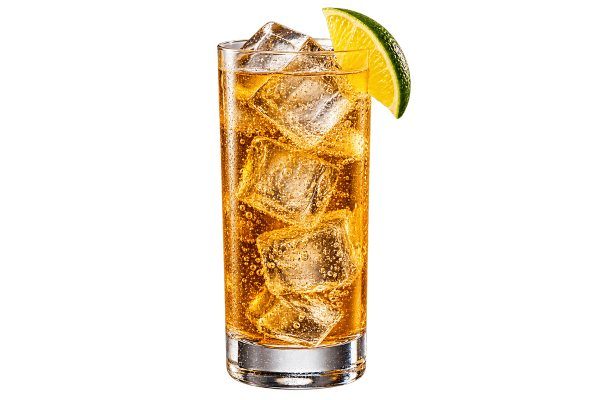
Whisky & Tonic
The misunderstood cousin of the Gin & Tonic. Built properly it is long, dry and surprisingly refreshing; built badly it is a glass of tonic that tastes of wood.
View recipe →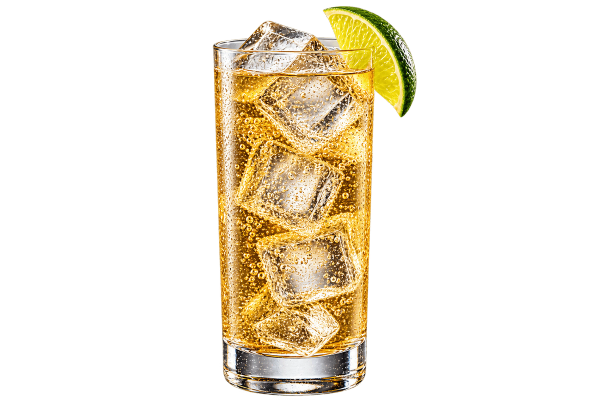
Tequila & Tonic
Drier than a Paloma and more interesting than a Gin & Tonic. Agave and the bitterness of quinine understand each other surprisingly well.
View recipe →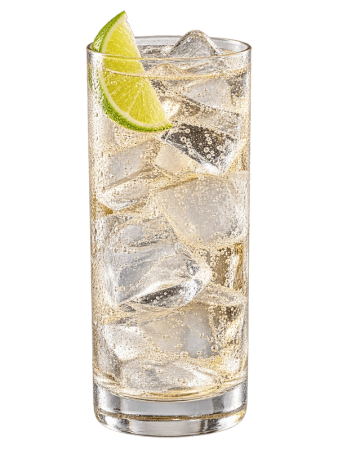
Rum & Tonic
The highball almost nobody orders, and which turns out surprisingly well. The sweetness of the cane and the bitterness of the quinine balance each other on their own, with nothing added to fix it.
View recipe →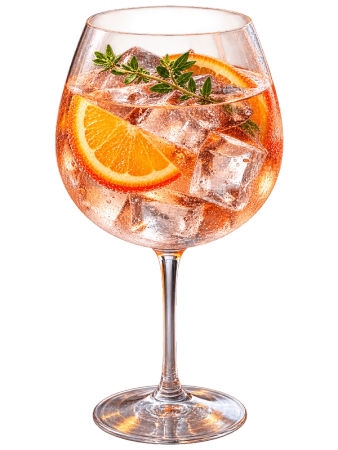
Vermouth & Tonic
Vermouth hour, stretched out. It carries half the alcohol of a Gin & Tonic and considerably more flavour, which is why it works in the late afternoon when no other long drink does.
View recipe →Which one to reach for
- Gin & Tonic
The benchmark. Juniper and quinine have understood each other for a century, and the other five are measured against it.
- Vodka & Tonic
The cleanest, and the easiest to leave bland. It needs real citrus and a tonic worth drinking.
- Whisky & Tonic
The one that depends most on the bottle: sweet and round with bourbon, all smoke with a peated Scotch.
- Tequila & Tonic
Drier than a Paloma. Vegetal agave against the bitterness of quinine, with grapefruit in between.
- Rum & Tonic
The one almost nobody orders. Cane sweetness balances the quinine with nothing added.
- Vermouth & Tonic
The odd one out, and the best of them in the late afternoon: half the alcohol of the rest and far more flavour.
The tonic matters more than you think
In every one of these drinks the tonic is between two thirds and three quarters of the glass. Which means most of what you are drinking is not the spirit you paid for, but the mixer you grabbed without thinking.
Two simple things change the result more than trading up on the bottle. The first is that it must be properly ice-cold, not merely cool: room-temperature tonic loses its gas the moment it hits the ice, and the drink falls flat before the second sip. The second is opening it fresh — a small bottle per drink beats the two-litre one that has been open half an hour, however good the brand.