
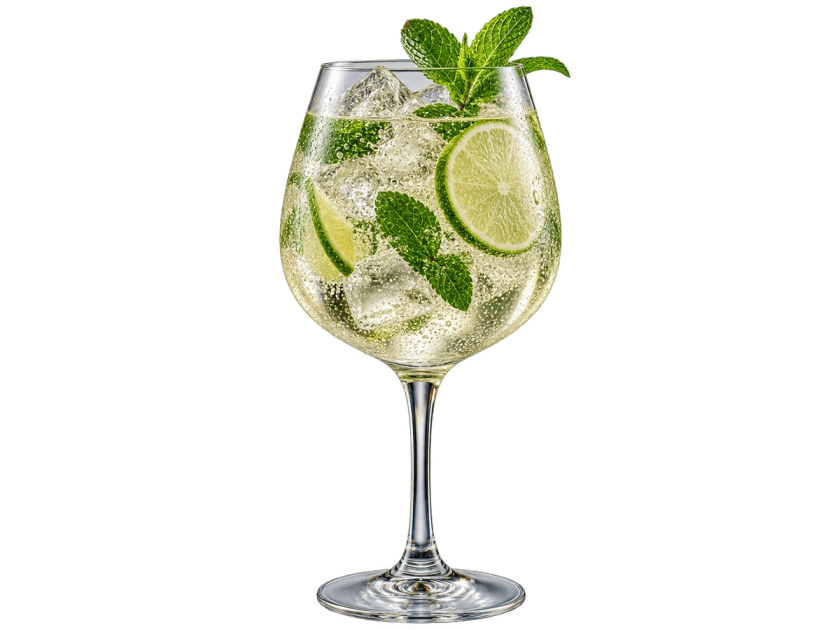
Hugo Spritz
Prep time:
The alternative to the Aperol Spritz for anyone who does not get on with bitterness. Floral instead of bitter, and with mint and lime in it that make it considerably more refreshing than the original.
Ingredients
- 90 ml well-chilled prosecco
- 30 ml elderflower liqueur or syrup
- 30 ml soda water
- Half a lime and a few mint leaves
- Large ice cubes
Preparation
- Clap the mint between your hands and drop it into the bottom of a copa glass. Do not muddle it: the idea is only to wake up the aroma.
- Fill the glass to the top with ice and squeeze the half lime over it.
- Add the elderflower and stir once so it settles and spreads.
- Top with the prosecco down the side of the glass and the soda last. In that order: the prosecco is what needs care and the soda only lengthens.
- One turn of the bar spoon, from the bottom up, and no more.
Bartender’s notes
Where does the Hugo come from?
From South Tyrol, in northern Italy, and it is far more recent than it looks: barman Roland Gruber created it in 2005, looking for exactly an alternative to the Aperol Spritz for people who did not want bitterness. The original recipe used lemon balm syrup, not elderflower. The change came later, for a simple reason: elderflower was available everywhere and lemon balm was not.
How is it different from an Aperol Spritz?
In the bitterness, which is the whole reason it exists. Both are built the same way — prosecco, a liqueur, soda and plenty of ice in a balloon glass — but Aperol is an amaro of bitter orange and rhubarb, while the Hugo takes elderflower: floral, soft and sweet where the other is bitter. If someone tells you a Spritz tastes “like medicine”, this is the one to pour them. And yes, an “elderflower spritz” is this same drink: plenty of menus list it that way rather than by its name. The difference is on the label, not in the recipe.
Related recipes
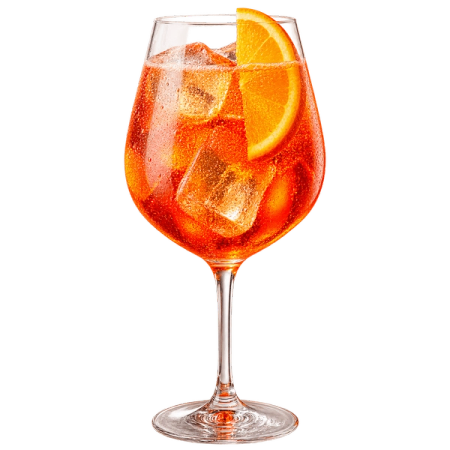
Aperol Spritz
Prosecco, Aperol and a splash of soda over plenty of ice, in a wine glass. It is the aperitivo of the Veneto: bitter orange, low alcohol and bubbles, made to open the appetite rather than close the night.
View recipe →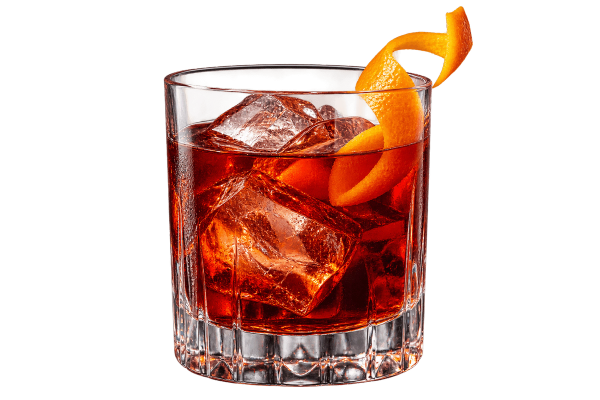
Boulevardier
Bourbon, Campari and sweet vermouth, stirred and finished with orange peel. It is the Negroni with whiskey instead of gin, and the change goes beyond the name: it comes out rounder, sweeter and longer on the palate, more an after-dinner drink than an aperitivo.
View recipe →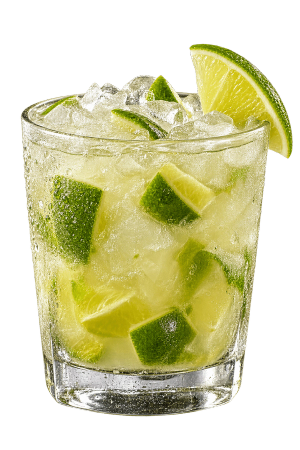
Caipirinha
Cachaça, lime and sugar, muddled in the glass and topped with crushed ice. It takes cachaça rather than rum because cachaça is something else: it is distilled from fresh-pressed cane juice, while almost all rum is made from molasses, and that is where its fresh, grassy edge comes from.
View recipe →