Cocktails with other spirits
View all recipesThis is where the spirits live that do not warrant a section of their own but hold up some of the best drinks there are. Pisco is a grape spirit made in Peru and Chile, in two distinct styles — the Peruvian bottled without any time in wood, the Chilean sometimes not — and it is what lifts a Pisco Sour. Brazilian cachaça is distilled from freshly pressed sugarcane juice rather than the molasses most rums use, and that is where the dry, vegetal edge that defines a Caipirinha comes from.
The Italian bitters belong here too, though technically they are liqueurs rather than spirits. Aperol sits around 11% ABV, which is why a Spritz can be drunk mid-afternoon without consequence; Campari is considerably stronger and more bitter, and it is what holds a Negroni together. Neither is meant to be drunk alone: they exist to work alongside something else and bring the bitterness the base spirit lacks.
13 recipes
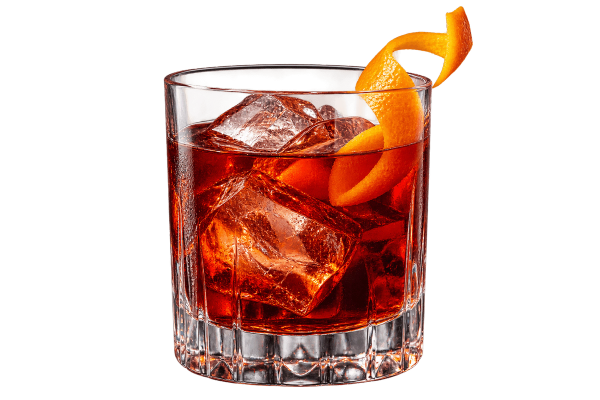
Boulevardier
Bourbon, Campari and sweet vermouth, stirred and finished with orange peel. It is the Negroni with whiskey instead of gin, and the change goes beyond the name: it comes out rounder, sweeter and longer on the palate, more an after-dinner drink than an aperitivo.
View recipe →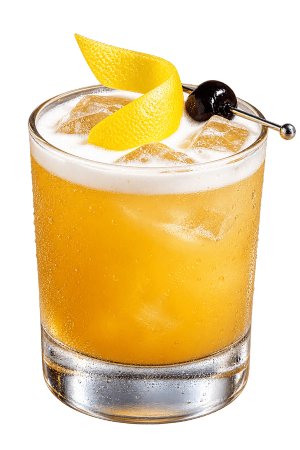
Amaretto Sour
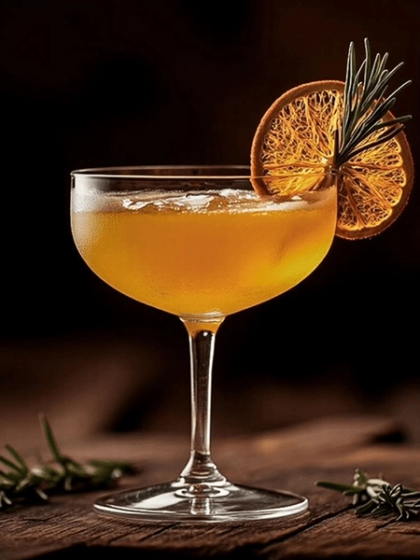
Amaretto, lemon and egg white, with a measure of bourbon holding it up. For decades it was the sweet, bottled-mix drink nobody ordered seriously; since the Portland bartender Jeffrey Morgenthaler added whiskey to it in 2012, it has been among the best-selling classics in the world’s top bars.
View recipe →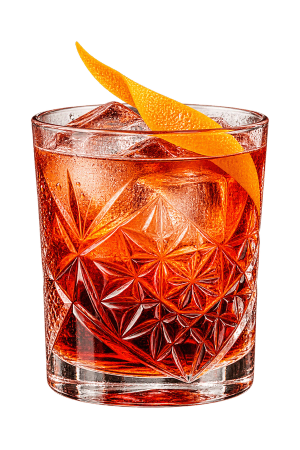
Americano
Campari and sweet vermouth in equal parts, lengthened with soda over plenty of ice. It was born in Gaspare Campari’s bar in Milan in the nineteenth century as the Milano-Torino, after where its two ingredients came from; the name Americano comes, by the most common account, from how often American tourists ordered it.
View recipe →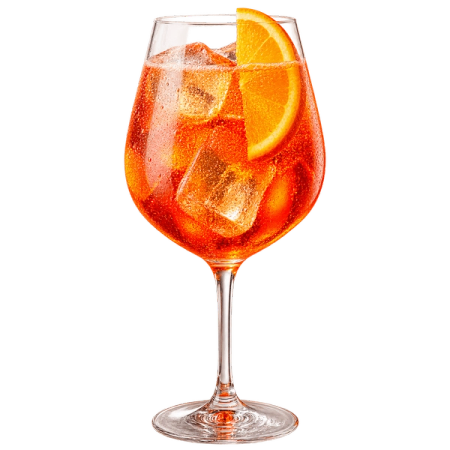
Aperol Spritz
Prosecco, Aperol and a splash of soda over plenty of ice, in a wine glass. It is the aperitivo of the Veneto: bitter orange, low alcohol and bubbles, made to open the appetite rather than close the night.
View recipe →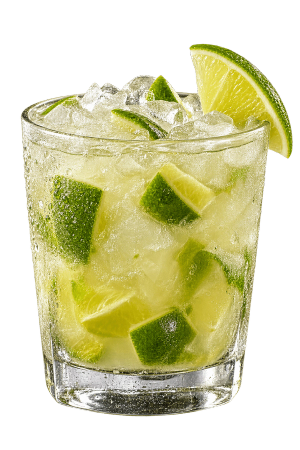
Caipirinha
Cachaça, lime and sugar, muddled in the glass and topped with crushed ice. It takes cachaça rather than rum because cachaça is something else: it is distilled from fresh-pressed cane juice, while almost all rum is made from molasses, and that is where its fresh, grassy edge comes from.
View recipe →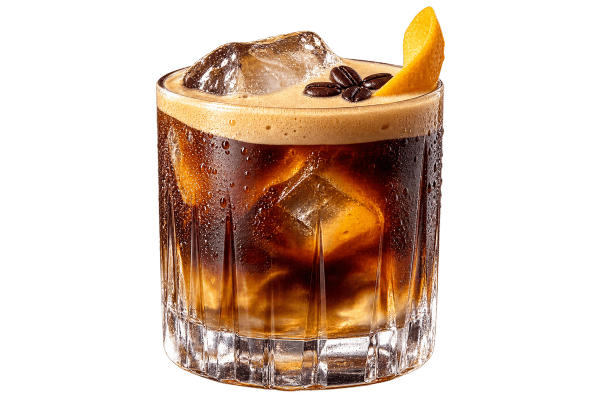
Carajillo
The quintessential Mexican coffee cocktail. Sweet, aromatic, and with the perfect balance between the bitterness of espresso and the citrusy vanilla of Licor 43. Much smoother than an Espresso Martini.
View recipe →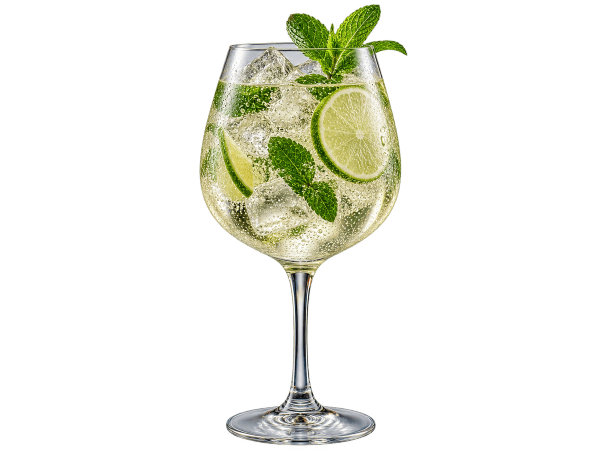
Hugo Spritz
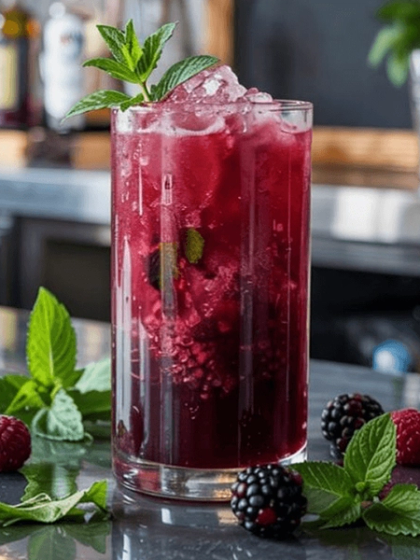
The alternative to the Aperol Spritz for anyone who does not get on with bitterness. Floral instead of bitter, and with mint and lime in it that make it considerably more refreshing than the original.
View recipe →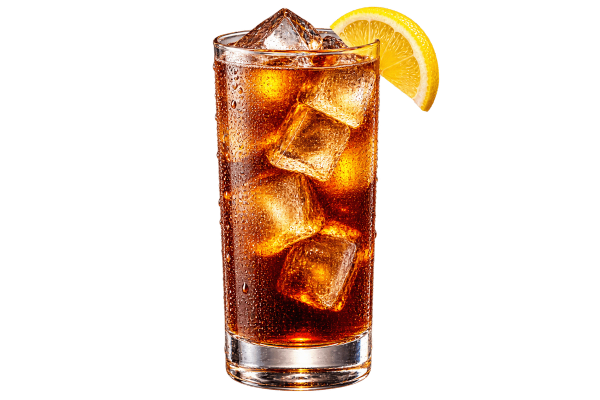
Long Island Iced Tea
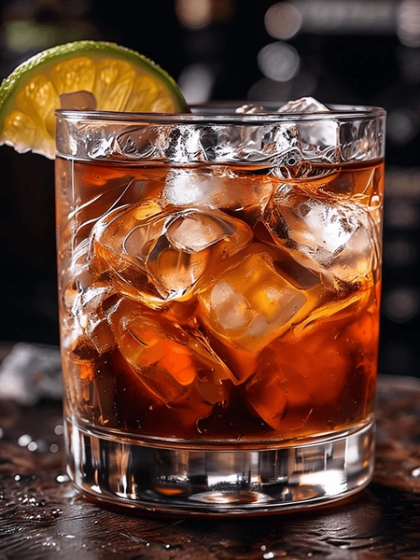
The most famous cocktail for its potency. Despite its name, it contains no tea; its brown color comes from the cola. It balances five spirits in a surprisingly drinkable beverage.
View recipe →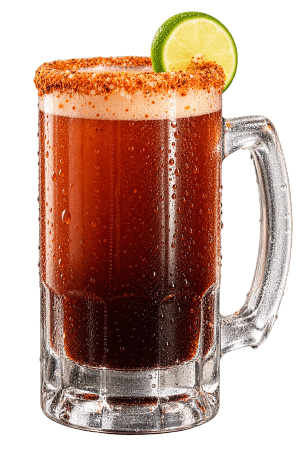
Michelada
Light beer with lime, Worcestershire, Maggi seasoning, hot sauce and a chilli-salt rim, over ice. It is Mexico’s definitive cerveza preparada, and it has no single recipe: it changes from region to region, and even the name means different things depending on where you order it.
View recipe →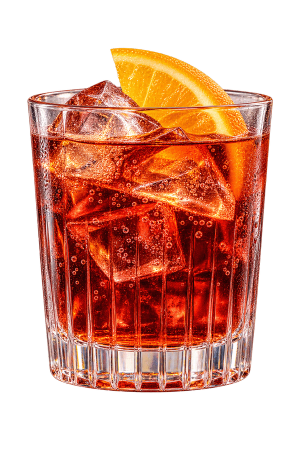
Negroni Sbagliato
Campari and sweet vermouth in equal parts, with prosecco where the gin would go. “Sbagliato” means “mistaken”: as Bar Basso in Milan tells it, in the 1970s bartender Mirko Stocchetto reached for the sparkling wine instead of the gin, and the mistake stayed on the menu.
View recipe →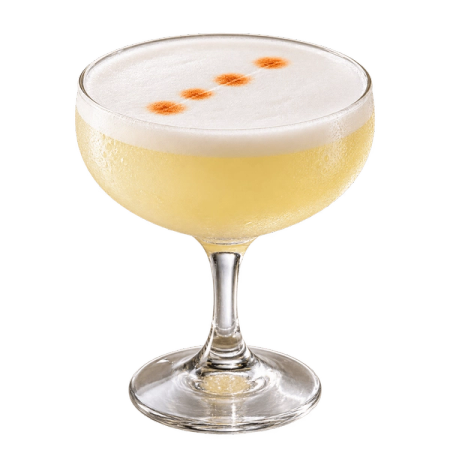
Pisco Sour
Pisco, lime, sugar syrup and egg white, with a few drops of Angostura on the foam. It was born in Lima in the 1920s, at the bar of the American Victor Morris, and it is Peru’s flagship cocktail, with a national day of its own: the first Saturday of February.
View recipe →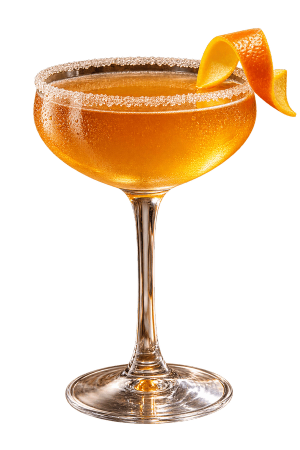
Sidecar
A refined and timeless sour. The balance between the warmth of the cognac, the sweetness of the orange liqueur, and the acidity of the lemon makes it a classic from the 1920s.
View recipe →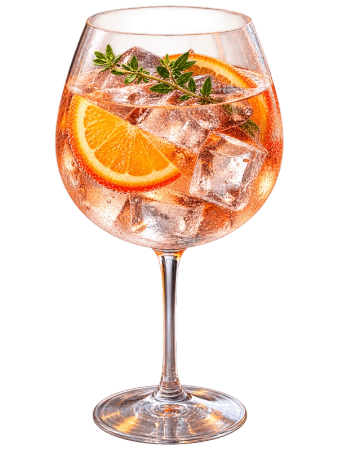
Vermouth & Tonic
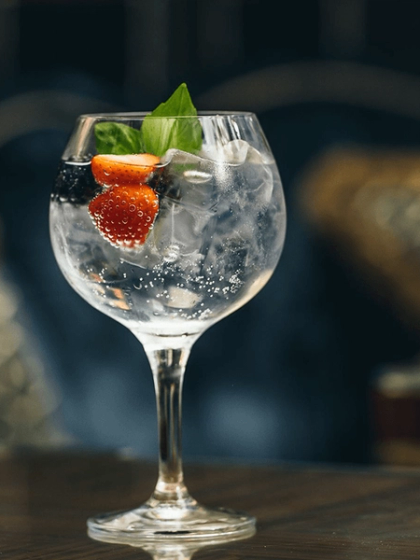
Vermouth hour, stretched out. It carries half the alcohol of a Gin & Tonic and considerably more flavour, which is why it works in the late afternoon when no other long drink does.
View recipe →