How to shake a cocktail properly
Chill, dilute, aerate and integrate, all in twelve seconds. What to shake and what to stir, why more ice means less watering down, and how to know when it is done.
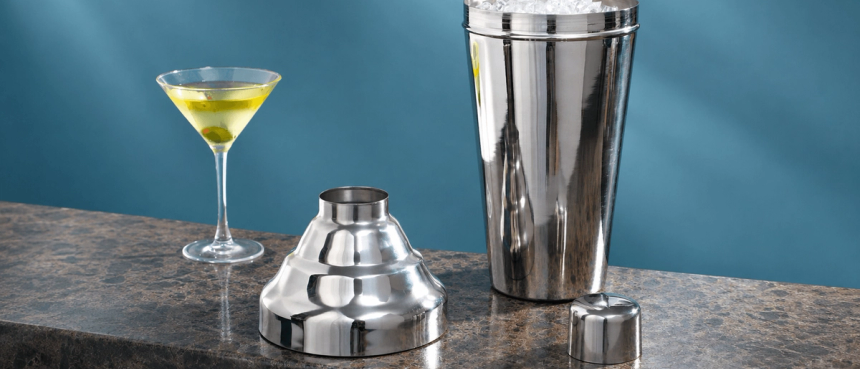
Shaking is not mixing. It does four things at once in a little over ten seconds: it chills the drink, dilutes it to the right degree, aerates it, and integrates ingredients that would not get along on their own. Shake timidly and you achieve none of the four.
When to shake and when to stir
The rule is short and takes few exceptions: shake anything with citrus, dairy, egg or thick syrups. Stir anything made only of spirits and liqueurs, like a Negroni, a Manhattan or an Old Fashioned.
This is not purist fussiness. Shaking forces in air and leaves the liquid cloudy with a fine bubble, which is exactly what you want in a Whisky Sour and exactly what ruins a Martini. A spirits-only drink that gets shaken loses its clarity and that silky texture which is half the point.
The ice matters more than your wrist
Fill the shaker a good two thirds with ice, and make it large, very cold, dry cubes. Here is the counterintuitive part: the more ice you use, the less watery the drink gets. A little ice melts fast, chills badly and releases water without ever bringing the temperature down.
Wet ice from the bottom of the bag is already melting and starts diluting before you shake at all. If it drips when you pick it up, it has no business in a drink you care about.
Twelve seconds, and mean it
Measurements by Dave Arnold, the reference in technical bartending, point to twelve seconds of vigorous shaking landing the drink between five and eight degrees below zero Celsius — and you get there largely regardless of shaking style or ice type. What matters is the energy, not the choreography.
Shake on a diagonal, up over your shoulder, so the ice runs the full length of the tin and hits both ends. The sign that you are doing it right is physical: frost forms on the outside and your hands start to ache from the cold. If the metal is still lukewarm when you stop, you went too easy.
Dilution is not a flaw
A proper shake adds roughly twenty-five to thirty per cent water to the final volume. That water is neither an accident nor a loss of quality: the recipe is written expecting it. That is why a drink served without that dilution tastes harsh and tightens the throat, even with the measures exactly right.
The dry shake for egg white
When the drink carries egg white, shake first without ice for ten to fifteen seconds. Without the cold and the battering of the ice, the protein emulsifies far better and you get the dense foam that survives to the last sip. Then add ice and shake again to chill and dilute.
The reverse version works just as well and many find it cleaner: shake with ice first, strain, return the liquid to the empty tin and give it a final dry shake to build the foam right before serving.
Strain it twice
On any drink with citrus, pass the liquid through the strainer and a fine mesh at the same time. It catches the ice shards that broke up during the shake and the pulp from the fruit, which is what makes a drink feel gritty halfway down the glass.