How to chill your glassware, and why it matters
A drink served up has nothing keeping it cold except the glass itself. A room-temperature glass undoes everything you did before it.
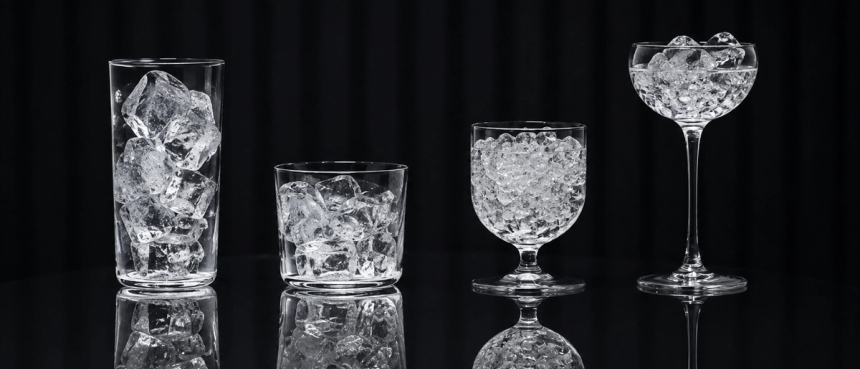
You can measure precisely, stir for exactly thirty seconds and double strain. If you pour that drink into a glass straight from the cupboard, within ninety seconds it will have warmed enough for the alcohol to turn harsh. It is the step with the best return for the least effort, and the one most often skipped.
Three methods, best to worst
The freezer is best. Twenty minutes is enough and an hour is ideal. If you have the space, keep two glasses in there permanently: it costs nothing and saves you the wait.
Ice and water in the glass while you build the drink. Almost as effective and it takes a couple of minutes, exactly as long as the rest of the process. The water matters: ice alone touches the glass at only a few points, whereas with water the contact is complete and it chills far faster.
Cold tap water alone. Clearly the weakest option, but still better than nothing if you are improvising.
When it is essential
For anything served up: Martini, Manhattan, Daiquiri, Cosmopolitan, a Negroni served in a glass. There the glass is literally the drink's only insulation.
For drinks with ice in them it matters far less, because the ice compensates. Even so, chilling a highball before a gin and tonic makes the first sip land better and buys the ice a little more time before it starts melting.
Empty it, but do not dry it
Before pouring, empty the glass and give it a couple of sharp shakes. Do not wipe it with a cloth: friction and your hand put the warmth right back, and you leave lint on a glass that will be looked at closely. Whatever drops remain are insignificant next to the dilution the drink already carries.